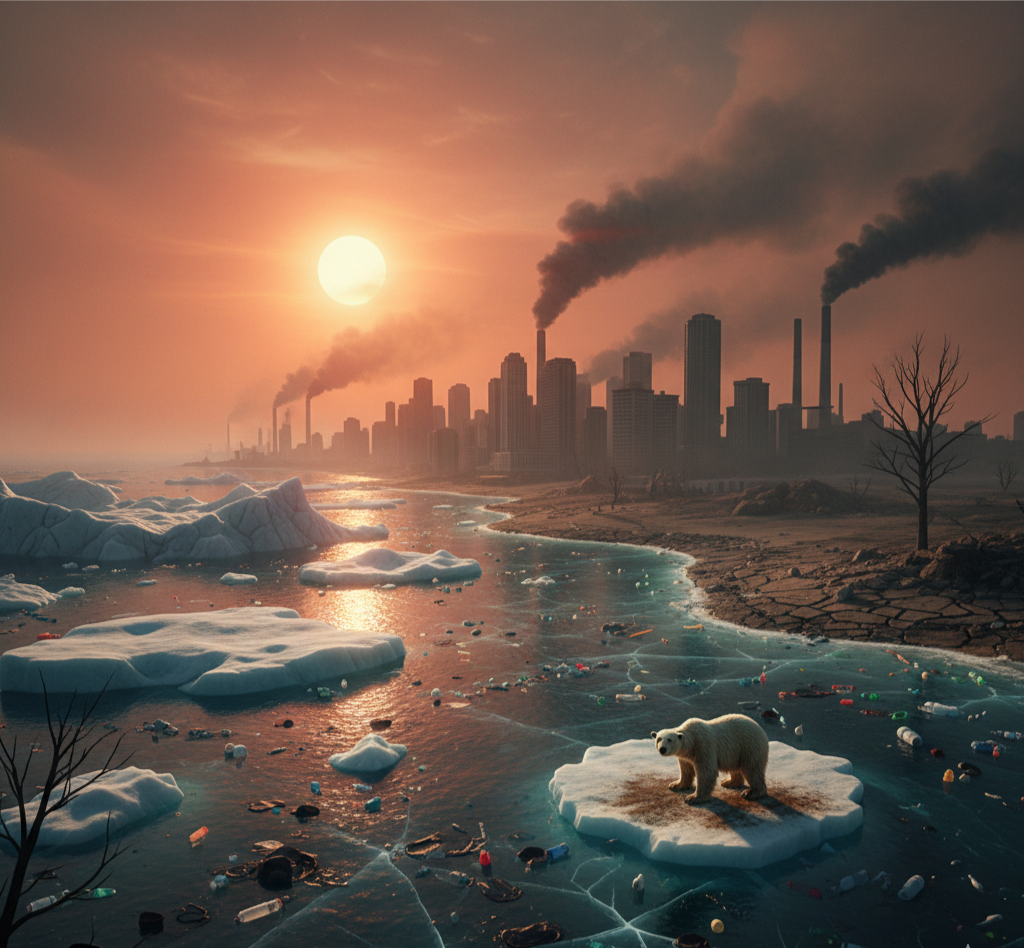
Greenland, long associated with endless ice and biting cold, is experiencing an unprecedented winter thaw. The Arctic island has recorded its warmest January ever, marking a dramatic shift in a region historically defined by deep freeze and heavy snowfall.According to preliminary data from the Danish Meteorological Institute, average temperatures in January reached 0.2°C — just above freezing. This is a striking contrast to the historical average of -7.7°C recorded between 1991 and 2020. The difference underscores how rapidly winter conditions are changing across the island.Across Greenland’s vast white landscape, snow is disappearing and sea ice is thinning. In many remote communities, the silence of bare ground is replacing what was once the steady crunch of sleds moving across packed snow.
Dog Sledding Traditions Under Pressure
Dog sledding, a cornerstone of Arctic transportation and culture for generations, is struggling to survive. With less snow on the ground, sledges cannot glide properly, forcing teams to remain idle. Feed costs are rising while income opportunities shrink.Mushers say travel has become far more difficult. Routes once reliably covered in snow are now uneven, bumpy, or impassable. In some areas, there is simply not enough snow to operate safely.The shorter season — now reduced to roughly two months — has made maintaining a full sled team increasingly unprofitable. Some mushers have been forced to reduce their teams or give up their dogs altogether.The animals themselves are also feeling the effects. Traditionally, sled dogs rely on snow as a source of hydration during long journeys. With limited snow cover, dehydration has become a growing concern, forcing owners to adjust how they care for their teams.For generations, dog sleds powered hunting, trade, and communication across frozen fjords, linking villages and enabling survival in one of the harshest climates on Earth. Now, melting ice is shortening the season to mere weeks in some areas.### Hunting and Food Security at RiskTraditional hunting is also under threat. Stable sea ice is essential for tracking seals, walrus, and polar bears. Without it, hunters face dangerous and unpredictable conditions.Thinner ice is cracking without warning, and routes that were once trusted are no longer safe. Hunters report traveling farther and taking greater risks, yet returning with less.The decline in successful hunts is affecting local economies and food security. Less meat is reaching families, and reliance on imported food — which is costly in remote Arctic communities — is increasing. What was once subsistence living is becoming increasingly expensive.Hunters emphasize that ice is not only vital for hunting but also for transportation. When sea ice forms, waters are generally calmer, making travel safer. Without it, storms and rough seas pose additional risks.### Arctic Warming AcceleratingScientists warn that these changes are not temporary. Arctic temperatures are rising nearly four times faster than the global average. Snow cover continues to shrink annually, and sea ice formation is declining.Researchers say Greenland’s changing climate is disrupting an entire local economy. Dog sled tourism is declining as visitors encounter bare ground instead of snow-covered landscapes. Hunters are losing both income and cultural identity. Younger generations are increasingly moving to cities, leaving smaller villages behind.Residents express deep concern about the future. If warming continues at its current pace, many fear it will become impossible to maintain traditional ways of life.### Ecological Shifts and Orca SurgeGreenland has also declared a state of emergency following an unusual surge in orca sightings. Marine researchers report that more killer whales are entering fjords and nearshore waters that were once sealed off by thick sea ice.Experts say the growing presence of orcas signals a dramatic ecological shift. With less sea ice acting as a barrier, marine predators are expanding their range, further altering fragile Arctic ecosystems.Some researchers warn that increased orca activity may accelerate coastal ice loss and disrupt established marine food chains.### Limited Adaptation OptionsAdaptation options remain limited. Snowmobiles could replace dog sleds, but fuel costs are high in remote areas. Boats may extend hunting seasons, but stronger storms and rougher seas make maritime travel more dangerous.Traditional knowledge, developed over centuries of stable winter patterns, is now struggling to keep pace with unpredictable weather.Scientists stress that cutting global emissions is critical to slowing Arctic warming. Meanwhile, Greenlandic communities are calling for investment in local resilience, food security initiatives, and alternative livelihoods.Climate change in Greenland is no longer a distant threat. It is already reshaping the island’s culture, economy, and daily survival. As the snow fades, an ancient Arctic way of life hangs in the balance.